
Guido Bosbach · Organizational development and AI governance for mid-sized companies · Online worldwide, on site in German-speaking countries
Organizational design for mid-sized companies · with and without AI
Rules that make good work easier.
I work with you and your leadership team on the rules your company uses to decide and work. The aim is a working day in which department heads decide what belongs to their area and work moves on quickly at handovers. That gives you time for what you run your company for, with AI and without.
“How do you know our company's problems when you've never been here?”
Managing director and owner, tourism (translated from German)
The answer lies in the comparison data. The patterns that slow a company down come back in other companies, even if each has its own story around them. I've analyzed around 120 companies myself, each compared with 458 organizations from the “Patterns of Mastery” study.
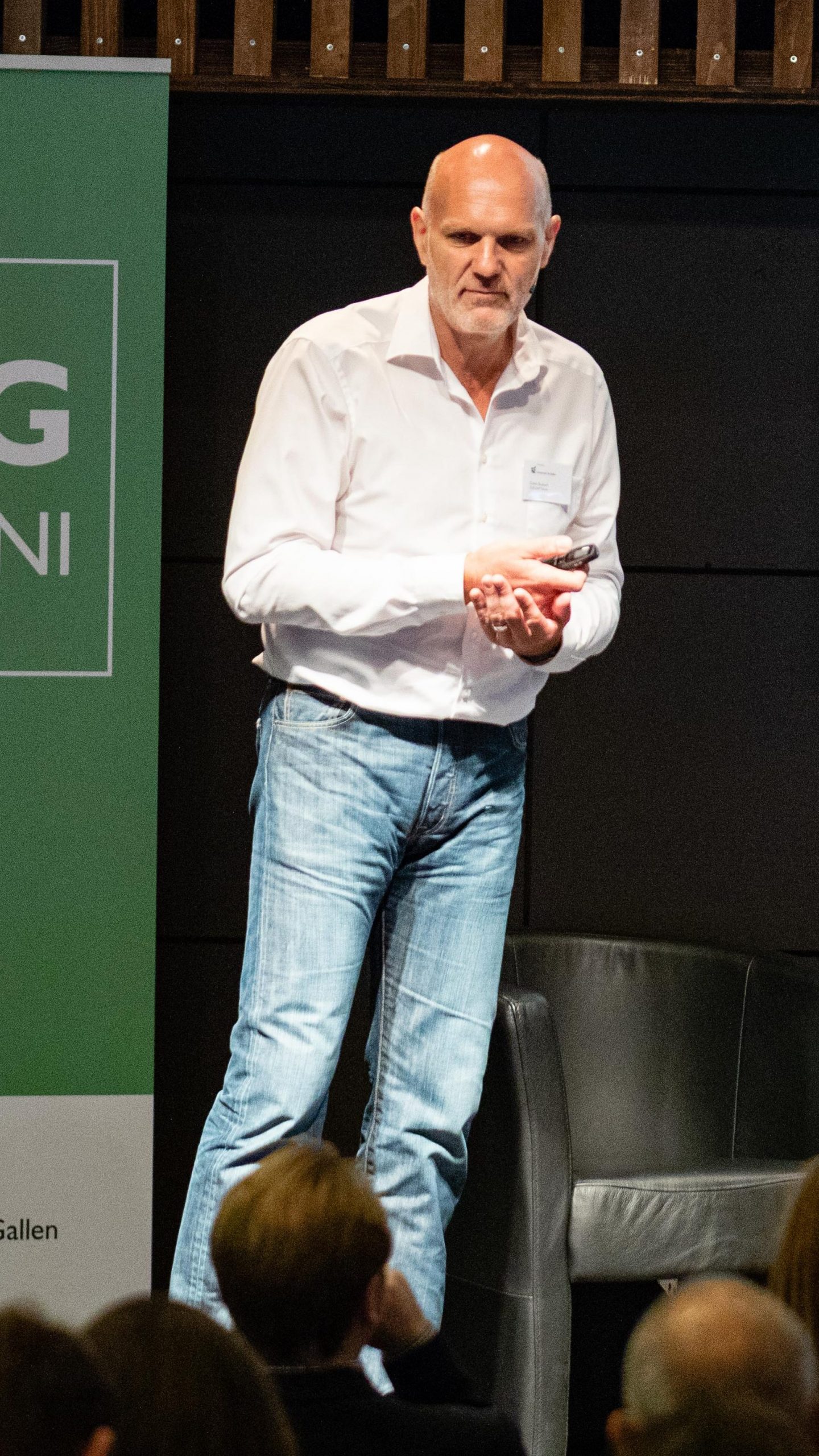
Organizational consultant since 2011 · before that fourteen years at Deutsche Telekom · co-author of UNMANAGED (LID Publishing, London) · LinkedIn Top Voice
Your gain
What your company can feel like a year from now
Unclear structures don't show up in any cost accounting. You pay for them anyway, every month and mostly through the same people. Where the structure gets clearer, you notice it in places everyone in the company knows, often within a few weeks.
Good managers then have to make up for gaps in the structure in person less often. That makes it easier for them to stay with you.
How far you get in each place depends on where you start. So we begin with a picture of where things are stuck in your company. Four weeks after the design we look together at what has changed.
One path, two reasons to start
Some come because their organization has become slower than it needs to be. Others come because AI is moving into their processes right now. The path is the same in both cases: first see where things are stuck, then reorganize, then make the result binding and check in daily work whether it works.
Organization
You want your organization to work better
The Pattern Check shows in three minutes which pattern is slowing you down right now. In Organizational Design we then reorganize the three to five processes where unclear responsibilities cost the most. If you like, we record the result in an organizational constitution.
AI
You're introducing AI right now
The AI Quick Scan shows in fifteen minutes where AI is at work in your company and which rules are missing for it. In Organizational Design we set out what a program may take over and who stays responsible for the result. For a quick overview first, the AI Inventory settles in one day who is accountable for each program and who checks its results (€2,900, for under 50 employees half a day for €1,400).
Both start with the free Clarity Call. There we work out which path fits your situation. Sometimes the answer is no.
Request a Clarity Call →All offers with process and prices →
Organizational Design from €12,900, as a pilot for two companies with up to about 150 employees, ordered by March 31, 2027: €9,800. All prices in euros, plus VAT where it applies.
How I look at AI
AI has no interest.
I work with AI myself every day, for research, writing and analysis. That's exactly why I look closely at where it takes work off people's hands and where it just speeds up what was already wrong.
I trust people because I roughly know what matters to them and what's at stake for them. Nothing matters to a program. So every use of AI needs a named person who has time to check the results and is allowed to say no.
Aviation settled this a long time ago. The load sheet of an airliner is usually produced by a computer. The captain accepts it with a signature and is then accountable for mass and balance staying within limits. Where things are settled this clearly, you can use AI widely and with a clear conscience.
This stance is where the Bonner Charta comes from: seven principles for companies where people and AI work together. Until December 31, 2026, I'm looking for first signatories. The Savings Calculator shows you in two minutes, with your own numbers, what's left of an expected AI saving once someone checks the results.
To the Bonner Charta (in German) →Run the numbers for your company →
About me
What stays when I leave
The specialist department of a large association worked hard and in every direction, because its mandate and decision rights had never been settled. Today the department has a written basis for its work, and its committee has rules for who decides what.
In a state-run IT service provider, retrospectives, team board and leadership monitor kept running without outside facilitation, right through the first lockdown in 2020. That's how I measure my work: by what keeps running once I'm no longer there.
“With [his] support we clearly sharpened the identity and positioning of [our unit] as a platform for strategic HR work in [our network]. That helped us a lot in our later work and still has an effect today.”Feedback from a mandate to reposition an HR function in a nationwide network organization, 2026 (translated from German)
From the books
The findings behind my work, set out in full and with sources. All books →
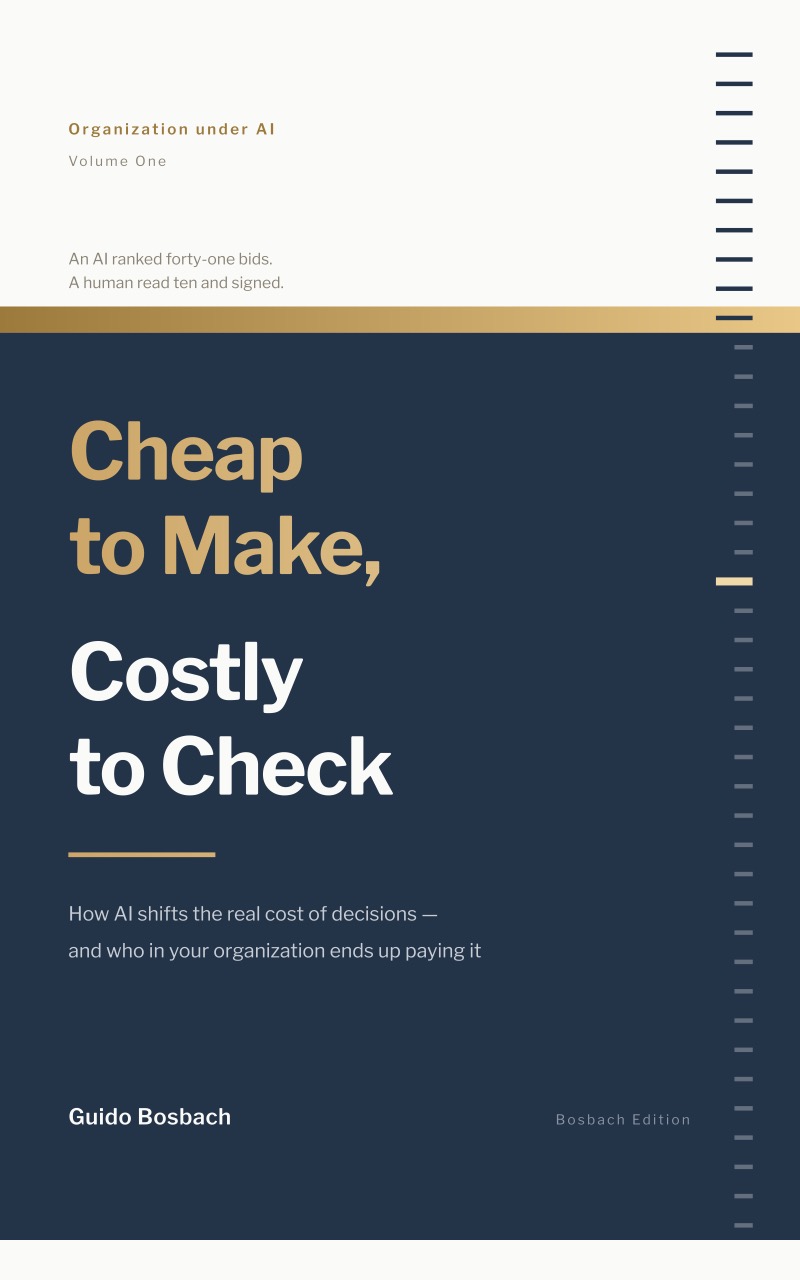
Cheap to Make, Costly to Check
How AI shifts the real cost of decisions
Published 2026
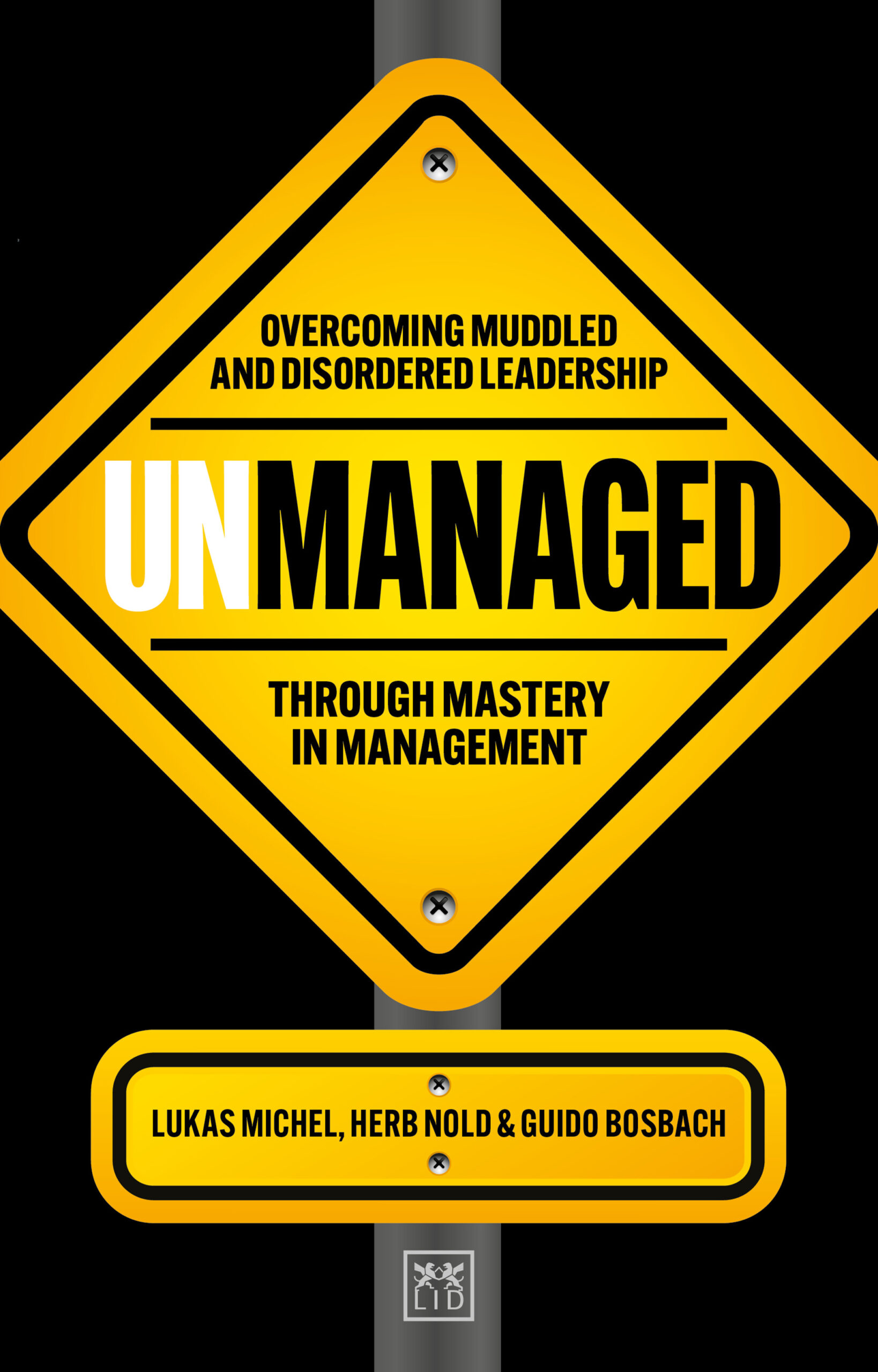
UNMANAGED
LID Publishing, London
I'm curious about your organization.
In a fifteen-minute questionnaire you tell me where things are stuck. After 48 hours you have my first assessment.
Or talk for 20 minutes first, without a questionnaire.
Tell me briefly what it's about and when suits you. I'll get back to you personally within 24 hours with a time.
Guido Bosbach
kontakt@guidobosbach.com
M +49 (0)160 9066 4306
Zoom | MS Teams | FaceTime
Alkersheimer Weg 4, 53343 Wachtberg, Germany (near Cologne/Bonn)
Save contact (vCard)